


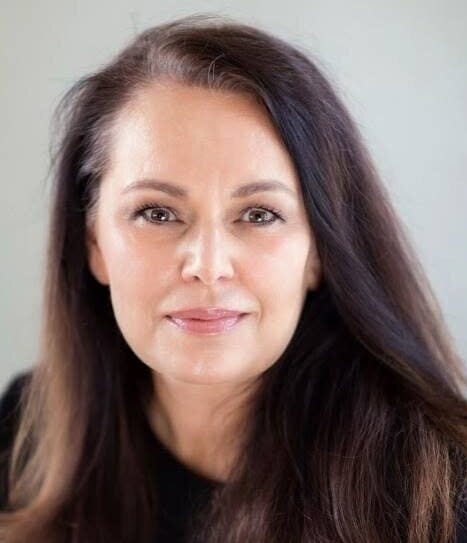
Perspectives: The Participant. First-hand stories from people who have worked in the value chain. Participant no. 2 is Sølvi Marie Fjeldstad.
We had created an interior concept for a company whose main business is fruit and vegetables. Green was the main colour. Furniture that echoed foliage, a coat rack shaped like a tree and natural materials inspired by nature filled the screen in the meeting room. We presented it with energy and enthusiasm.
Then one person in the project group said: “I don’t like green.”
We were a little taken aback. Then we smiled, asked whether there was anything other than the colour they wanted to discuss, and promised a new proposal shortly.
It was not the first time green had taught me something about people.
The wall that never turned green
Another time, a woman walked into my office. She was almost finished renovating a two-storey apartment and only wanted help finding the right shade of green for a wall that ran through both floors.
She never got a green wall. The green was her answer to an apartment that felt very black and white.
It was the start of a relationship that has lasted many years. And it is the most important thing I have learned in my work: what people ask for is not always what they need.
A plan in a few minutes
More and more people come to me with a plan already in hand. They have asked an AI and received a furniture layout and a shopping list in a few minutes. Some of it is good. Some of it would fall apart long before they moved in.
I recognise an old feeling. The first time, I was sitting in the foreign exchange department of a bank on 17 January 1991, in the middle of the Norwegian banking crisis. The same day, King Olav died and the bombing of Iraq began. It was a bit much all at once. I felt it again during the financial crisis and during the pandemic. And now, with AI, came the question: What is my expertise worth when a machine can do parts of my job?
The worry is not unfounded. The World Economic Forum expects changes in the labour market to affect 22 percent of all jobs by 2030. More new jobs will be created than lost, but graphic designers, one of the creative professions, are now also on the list of the fastest-declining jobs.
At the same time, I see what AI does well. The beautiful illustrations used to come late in a project. People nodded, but pictured their own mix, and every round of “that’s not how I imagined it” cost time. Now I can show AI-generated images of my idea for their room in the very first meeting. When I use the tools myself, I also learn where they go wrong: the sofa that does not fit, the light that only works in a rendering.
Before the first line is drawn
The machine answers what you ask. My work begins before that.
I have no signature style to sell. My job is to read and interpret what people like and who they are. Some need reassurance, others need to be challenged. That holds true in every part of life: as a business owner, as a team player in my spare time, as a colleague, as a mother and as a teacher.
Since the meeting about green, we always put at least two proposals on the table. Even when we have fallen in love with one of them. That way people take part in the decision, instead of just saying yes or no. And when someone disagrees, I first ask myself: do they dislike the solution, or have I failed to explain it? Many people find floor plans hard to read. If they understand the proposal and still want something else, I respect that. They are the ones who will live there.
Want to try something similar in your own field tomorrow? Set your own taste aside before you meet people. Start with questions, not with the solution you already have in mind.
“They are the ones who will live there.”
She didn’t ask for a drawing
A woman I had helped with her house got in touch when her family wanted to move to an apartment. She sent me property listings and wrote: “You know me and how we live today. What are the pros and cons of this one?”
We kept going like that until she found the right one. Then we renovated that one too.
What she asked for was not a drawing. It was the knowledge of how she lives, gathered over years, held by someone she trusted.
Who collects the rent?
When I walk through a room and make suggestions, the order moves on: to the people who make the sofa, the tiles and the lamps. Furniture chains offer a free room plan so they can sell you the furniture. The robot vacuum maps your rooms while it cleans. The plumber and the electrician install smart systems that stay in the house and send data onwards.
Everyone wants into our homes. But what do we get back?
My home is something suppliers should be competing to get into. What do I get? And what does the person get who helped me understand my home and created it together with me?
In Norway we have a long tradition of the basement flat, the hybel, rented out to a lodger. Today many of us have a new kind of lodger: one who never signed a lease, never pays rent and quietly sublets the room.
What if we turned it around? A proper tenancy has a contract. You decide who moves in and what they get access to. And you can give notice. When it comes to data, consent is the lease.
I believe a day may come when the data from our homes gives something back. Something we can spend on making our homes better, and something for the professionals who help us understand them. One household alone has little bargaining power. Many together is a different conversation.
The fourth room
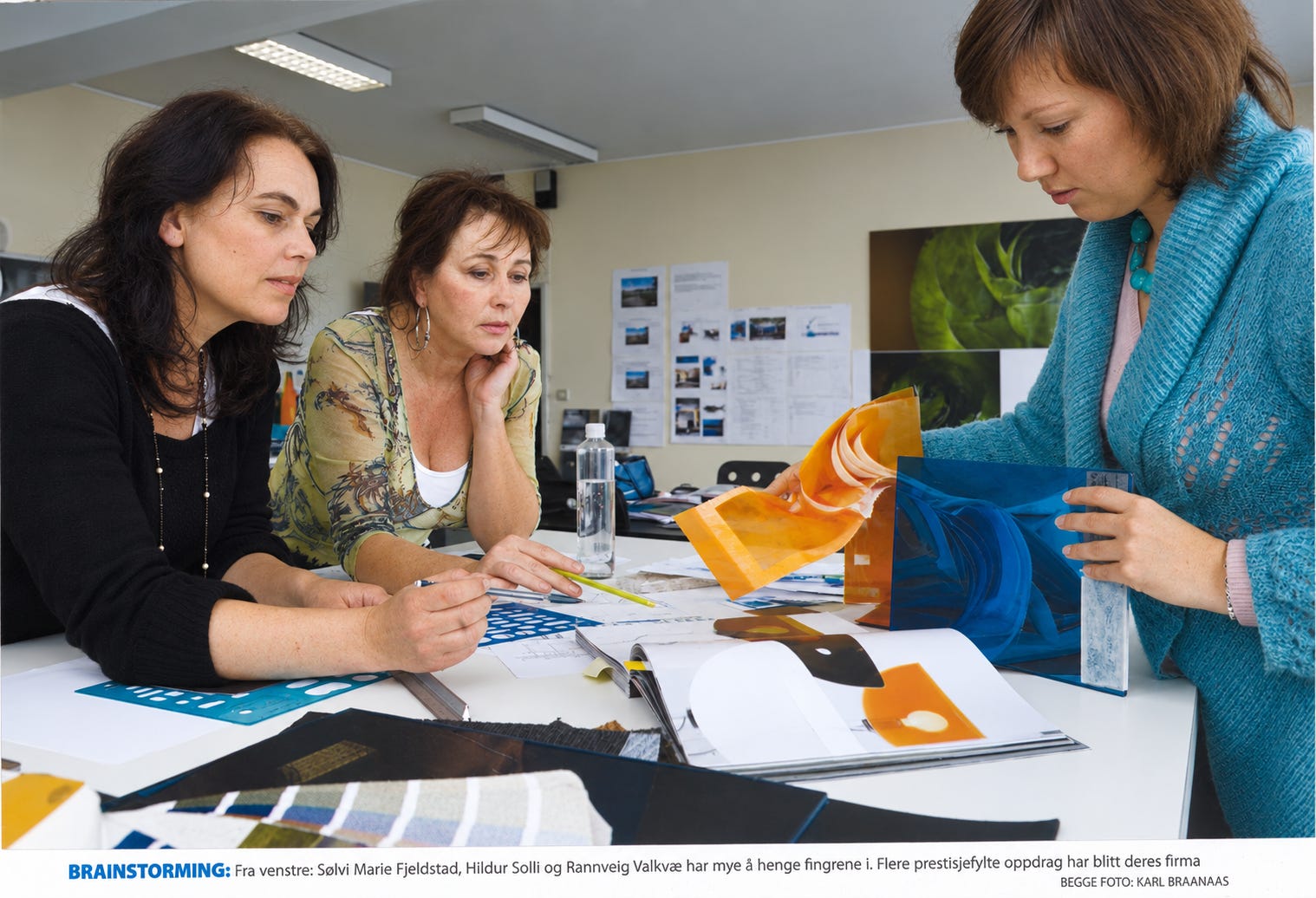
In 2000, two colleagues and I started an interior design firm. We called it 4 Rom, four rooms. There were only three of us, but the fourth room was meant to stay open for the people we brought in project by project: architects, photographers, artists. Most of our work came through word of mouth, from people recommending us to people they trusted. Today I run the company on my own.
During the financial crisis, I landed a job with a company that was investing while everyone else was cutting back. I asked them straight out: “Can I do what you do?” I was looking for opportunities. Each time, something new has opened up for those willing to look for it.
Value is still created between people. We knew that when we left the fourth room open. What is new is that our data is part of that value, and that this time we can have a say in where it goes.
So what are you already renting out, and who is collecting the rent?
The fourth room is still open. For everyone who has something to contribute, and that is all of us.

Sølvi Marie Fjeldstad is an interior architect and managing director of 4rom Interiørdesign AS, and head of interior design studies at NKI. With a background in banking, elite sport and teaching, guidance is the common thread in everything she does.
Editor’s note: What Sølvi describes is one perspective on what DARA calls the Participation Economy: that those who create value with data, knowledge and daily activity can see what they contribute, decide how it is used and receive a fair share of the value it creates. Sølvi Marie Fjeldstad is a contributor to DARA. This is an opinion piece. It is not sponsored.
Sources: