


Perspectives: The Participant. First-hand stories from people who have worked in the value chain. First up is Tove Kirkeng.
Norway, 1999. A Canadian entrepreneur opened his laptop in front of a small group of us and showed one of the first e-commerce platforms I had ever seen. People could buy directly, with no one in between.
Several in the room remembered a letter in Dagens Næringsliv from 1996, headlined “Internett en flopp!” (The internet is a flop!). It was easy to listen through that filter. But I was a shoe agent, one of those in between, and this was about me. If I wanted to be in business in the future, I had to change.
It took far longer than I expected. Back then, change moved in years. Today it moves in weeks and days.
But that day I understood something I have never forgotten: the distance between those who make things and those who use them was about to shrink.
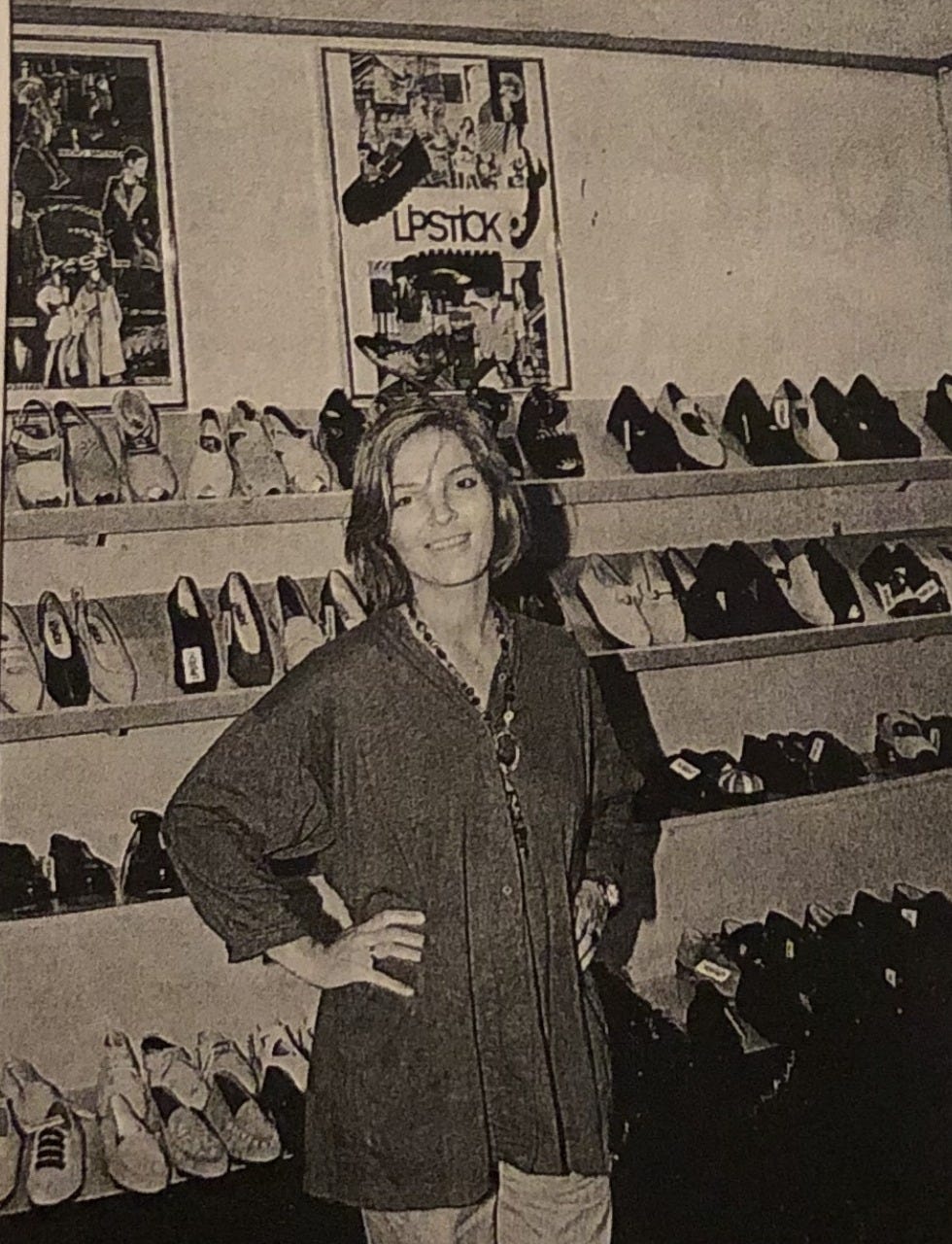
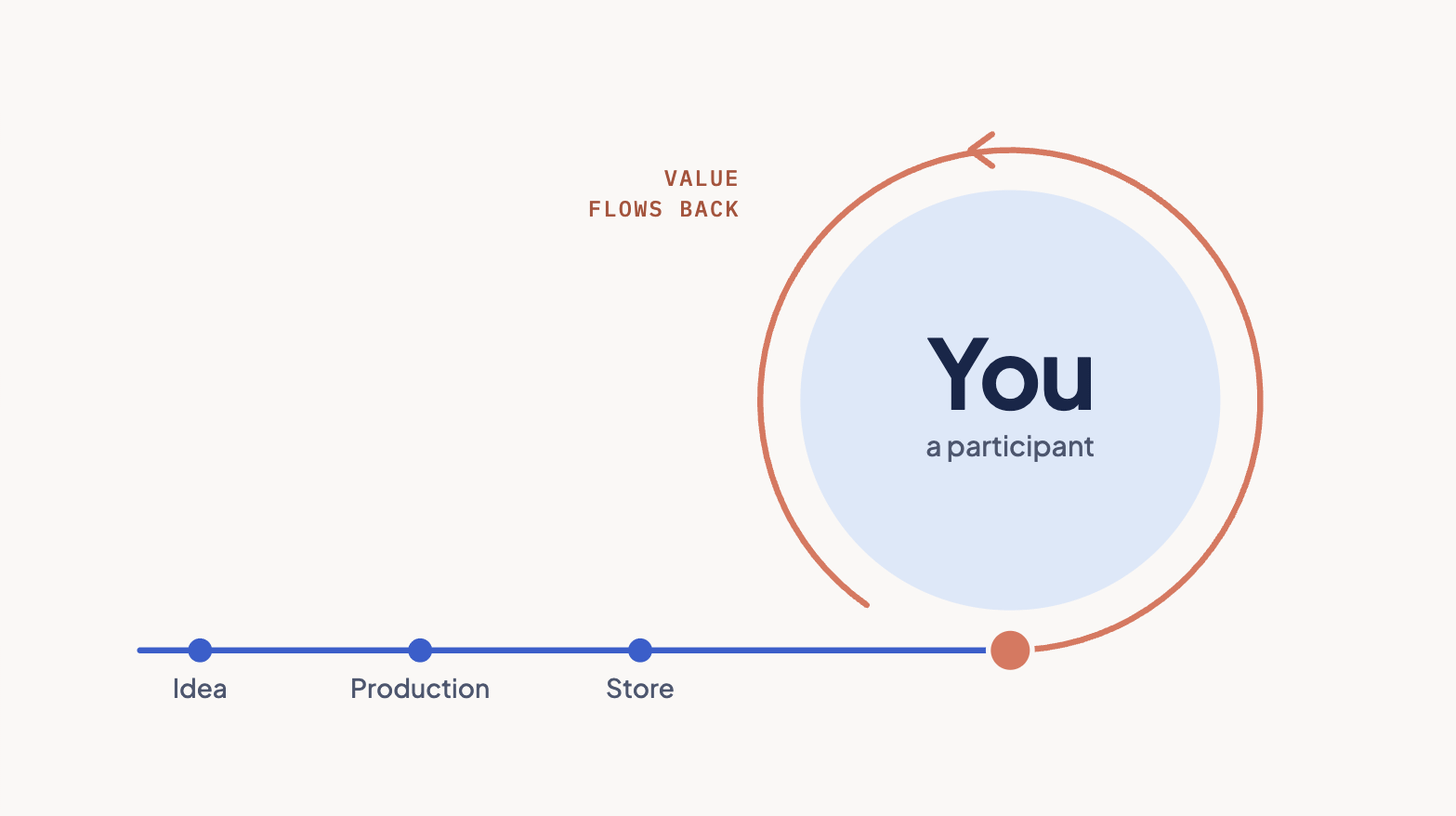
By then I had been in the shoe and fashion business for more than ten years. I had worked on the shop floor, at a wholesaler and in my own agencies, and followed products from collection to store. I had sat in every room of the value chain, the whole journey from an idea and a factory to a shop and someone’s home. And in every single room, I learned the same thing.
Value begins in a conversation
Value does not start in the factory. It starts in a conversation with a person.
What do they need? What do they like? What will they come back for? The best products I worked with were not the ones with the biggest marketing budgets. They were the ones where someone had listened.
That is why I was everywhere. I stood on the factory floor, and I stood in the shoe shops talking to the people trying on the shoes. I wanted to hear it myself, not wait for the message to travel from the shop to the agent, from the agent to the brand and from the brand to the factory. By then the season was often over. The person who will use the product decides. If we do not listen, it gets expensive for everyone.
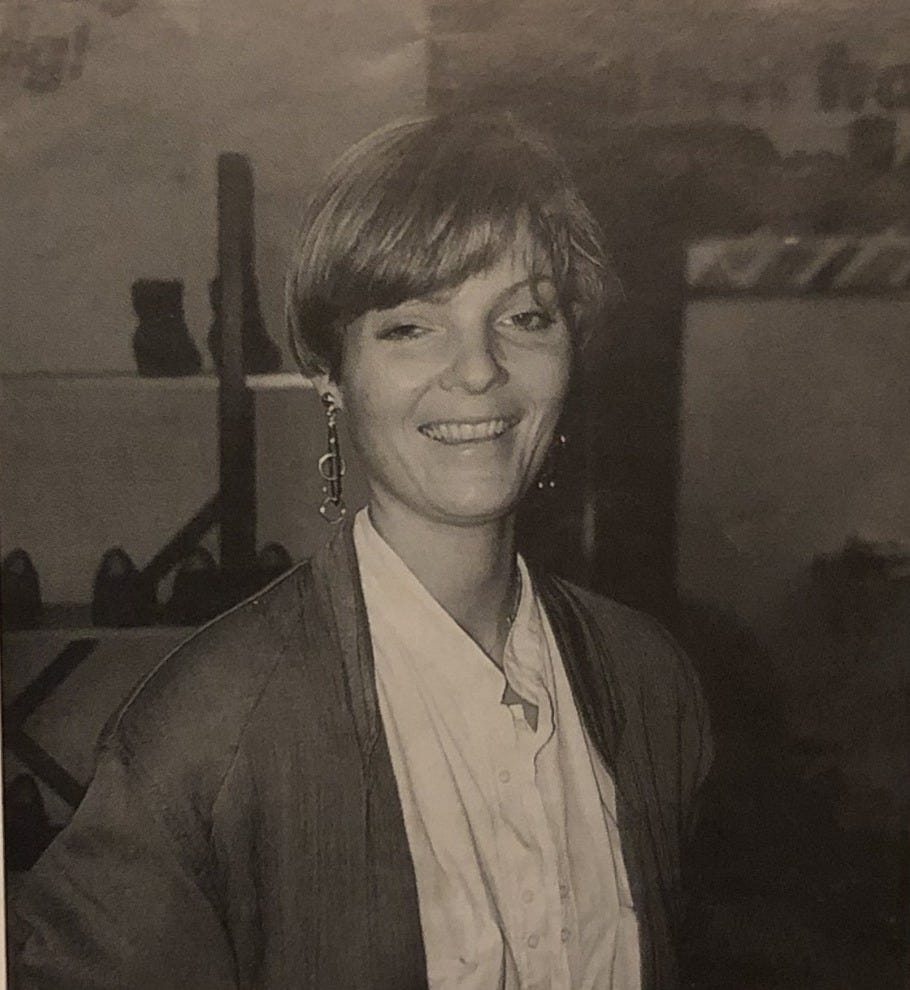
“I walk the streets and stare at people, hang out in cafés and bars and watch people. You have to get out and look at people to get fashion right.”
Tove Kirkeng, interviewed in Fagbladet Sko in the 1990s
Many years later, I found what I had learned on the floor described in the Lean Startup method and by one of my favourites, Steve Blank: get out and talk to people before you build.
The digital shift brought us closer
The internet changed that. E-commerce, and later the digitization of photography and everything that followed, pulled brands and people closer together. Suddenly a brand could hear directly from the people who used its products. And many began to trust each other more than advertising. A personal recommendation became worth more than a campaign.
Then recommending became a profession. Influencers and creators built audiences and were paid to share what they liked. The creator economy showed that what people say and share has a price.
That was the first sign of something important: people were no longer just at the end of the chain. They became part of it. Their opinions, their recommendations and their everyday choices created value.
But only a few got paid. For most of us, the value still did not flow back.
The problem we have all paid for
Those who gained most from the shift were the platforms. For years they placed themselves between all the links, between brands and shops and between shops and people. They owned the data and the relationships, and could push prices in both directions. Many of the links I had worked with disappeared. Mine too.
The result was cheaper goods, faster delivery and more of everything. Ultra-cheap online stores made it possible to buy almost anything for almost nothing. We got overconsumption, and the profits ended up with the platforms.
And beneath it all lay what frustrates me most about the value chain I have worked in all my life: overproduction.
We produce first and look for buyers afterwards. We guess. We make too much, in too many versions, and hope enough of it sells. What does not sell is marked down, stored or thrown away. The cost of all that guessing lands somewhere: on the planet, on the people who make the products, and in the prices the rest of us pay.
Now the whole line is changing at once
Every shift I have been part of changed one part of the value chain at a time. E-commerce changed how we sell. Digital photography changed how we show and share. Each time, value moved, and those who understood the timing were the ones who built what came next.
What is happening now is different. With AI, the whole line is changing at once. It affects how products are designed, produced, sold and followed up. And AI runs on something each of us produces every day: data, knowledge and activity.
That makes it possible to turn the line around. Instead of producing first and guessing, we can start with people, with what they actually need, use and value, and let that steer what gets made. Less waste. Better products. A value chain in balance again.
Human added value
AI can calculate a lot. But it cannot replace what I learned in the shoe shops: that value arises when people talk, trust each other and share what they know.
The more AI we get, the more that is worth. I call it human added value, the value only people can add.
And you have it, whether you are buying something or not.
A new room
I often think about that room in 1999. I understood that my own link in the chain was on its way out. And that something new was on its way in.
Today we sit in new rooms. At conferences and in meeting rooms, I hear it again and again: “Data is the new oil.” I have said it myself. But the longer I have lived with this shift, the more wrong it seems. Data is not oil. It is soil.
Oil has value in itself and gets used up. Data has no value until it is cultivated. But it never runs out. It renews itself every time we live, choose and share.
That is where sustainability lies. When what people know and choose is cared for and used well, we can know what is needed before we produce. Then we make what people actually want, and less of what ends up as waste.
And the soil is yours. Whoever cultivates it with you should share the harvest. That is not in place yet. But I know what it is like to sit in a room where the rules are about to change.
In 1999, I could have stayed in my seat, listening through the filter. I chose to change.
Now we are all sitting in a room like that. We can stay in our seats and watch. Or we can take part.
Your data has value. And it belongs to you.

Tove Kirkeng has worked across the value chain since 1985, from the shop floor and her own shoe agencies to distribution in Europe.
Editor’s note: Tove Kirkeng and DARA’s editor, Trond Slyngstad, are co-founders of a company in the participation economy. This is an opinion piece. It is not sponsored.
Source: The phrase “not the new oil, but the new soil” is borrowed from Ganesh Subramanian, Stylumia (2019).
Your point about “human added value” stayed with me. In my work with people, I see how trust, conversation and shared experience can open up possibilities we might not discover alone. It is also at the heart of a network I am building for women entrepreneurs: creating space for people to share what they know and turn it into something valuable together.